Why July is the perfect time to prune your wisteria
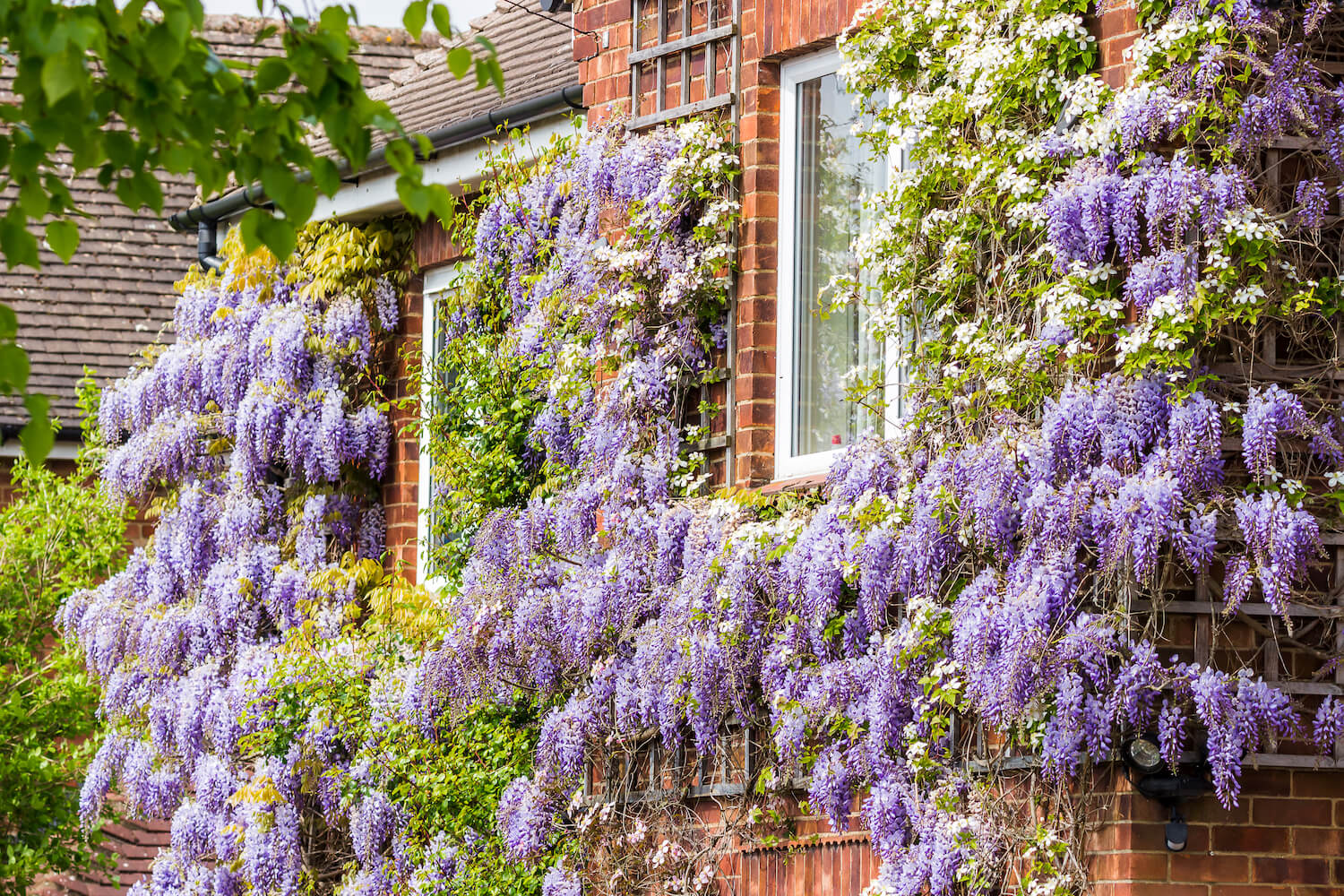
If you have a wisteria in your garden, on your property or across a commercial site, July is one of the most important months in its calendar. This is the first of two essential pruning sessions your wisteria needs every year, and getting it right now makes all the difference to next year's flowering display.
At Greenfields, our experienced team carries out wisteria pruning as part of our wider grounds maintenance and tree surgery services across Gloucestershire, Worcestershire, Herefordshire and beyond. Here's everything you need to know about why it matters and how to do it correctly.
Why wisteria needs pruning twice a year
Wisteria is best pruned twice a year, in July or August and again in January or February. The removal of growth in summer allows better air circulation and more sunlight to reach the base of the young growths, encouraging better ripening of the wood and improving the chances of flower bud formation. Stroud
A single yearly prune produces 60 to 70% fewer flowers so if you've been skipping the summer prune, this is almost certainly why your wisteria isn't performing as well as it should be. Stroud
The good news is that the technique itself is straightforward once you understand the two prune system. Think of it this way: the summer prune controls the growth and redirects the plant's energy into producing flower buds, and the winter prune tidies and shortens those buds further to concentrate that energy for maximum flowering in spring.
A helpful way to remember it is the rule of "2 in 2, 7 in 7" — two buds in February, seven buds in July.
How to prune wisteria in July — step by step
After flowering in July or August, cut back the whippy green shoots of the current year's growth to five or six leaves. This controls the size of the wisteria, prevents it from growing into guttering and windows, and encourages it to form flower buds rather than green growth. Stroud
Here's what to focus on:
1. Wait until flowering has fully finished. Don't be tempted to start too early. The plant needs to have fully finished flowering before you begin cutting.
2. Identify the whippy new growth. These are the long, soft, green shoots that have grown since spring. They can extend to two or three metres if left unchecked and will produce leaves rather than flowers if not cut back.
3. Count five to six leaves from the main stem and cut just above a leaf joint. This is the key cut. You're removing the leafy tip and redirecting the plant's energy back into ripening the buds at the base of the shoot, which will become next year's flowers.
4. Remove any growth that's straying where it shouldn't. Prune out any stems which have grown into roof gutters and downpipes as these can cause real damage if left unchecked. Gloucestershire County Council
5. Tie in any stems you want to keep for training. If there are shoots growing in a useful direction to extend the plant across a wall or pergola, tie these in rather than cutting them.
For more detailed guidance on summer pruning technique, the RHS wisteria pruning guide is an excellent resource, as is this thorough step by step guide from Garden Ninja.
What happens in winter — the second prune
In January or February, shorten the summer pruned shoots further. Cut them back to within 2.5 to 5cm of older wood, or 2 to 3 buds. This is done while the plant is fully dormant and leafless, which makes it much easier to see the structure of the plant and identify exactly where to cut. Stroud
Winter pruning is the time to cut back the shoots you pruned in summer even further, to just two or three buds. This concentrates all the plant's energy into those fat, plump flower buds that will give you the spectacular spring display wisteria is famous for. Stroud
What happens if you don't prune wisteria?
Left unpruned, wisteria is one of the most vigorous climbers in British gardens. It throws out two to three metre whippy green shoots every summer. These shoots produce leaves, not flowers. Over time, an unpruned wisteria can cause significant structural damage to buildings, guttering, roof tiles and window frames — and will become increasingly difficult to bring back under control. Stroud
Regular twice yearly pruning keeps it manageable, healthy and flowering at its very best.
Need help with your wisteria — or your wider grounds?
Wisteria pruning requires confidence, the right tools and an understanding of the plant's growth habit. Done correctly it rewards you with one of the most spectacular flowering displays in the British garden. Done incorrectly or at the wrong time, it can mean another year without flowers.
At Greenfields, our experienced team has been looking after trees, shrubs and outdoor spaces across Gloucestershire and the surrounding counties for over 30 years. Whether you need a one off wisteria prune, ongoing grounds maintenance for a commercial or residential site, or a full tree surgery service, we're here to help.
Get in touch with the team today to find out how we can help keep your outdoor spaces looking their very best.
📞 01452 790190
info@greenfieldsltd.co.uk
www.greenfieldsltd.co.uk